Glyphosate and GMOs: Economic and Public Health Risks for NZ
Many years ago, a slightly curious (and perhaps somewhat baffled) colleague asked why I had, for the first time in several years, managed to meet our substantial monthly targets within just two months, when previous managers had not. Despite the challenging economy at the time, I then went on to achieve the full annual multi-million-dollar target. As I had also consistently done for other businesses.
I had a few methods, and one was to always do the right thing first, including prioritising our customers and staff.
It never pays to take shortcuts, panic, or be greedy if you want to meet financial targets.
Recently, I went on an economic 'expedition' to see what I could find about New Zealand's sustainable markets.
It may surprise some of our nation that it does not pay to lose our clean green image and that an unhealthy nation is a costly one in several ways.
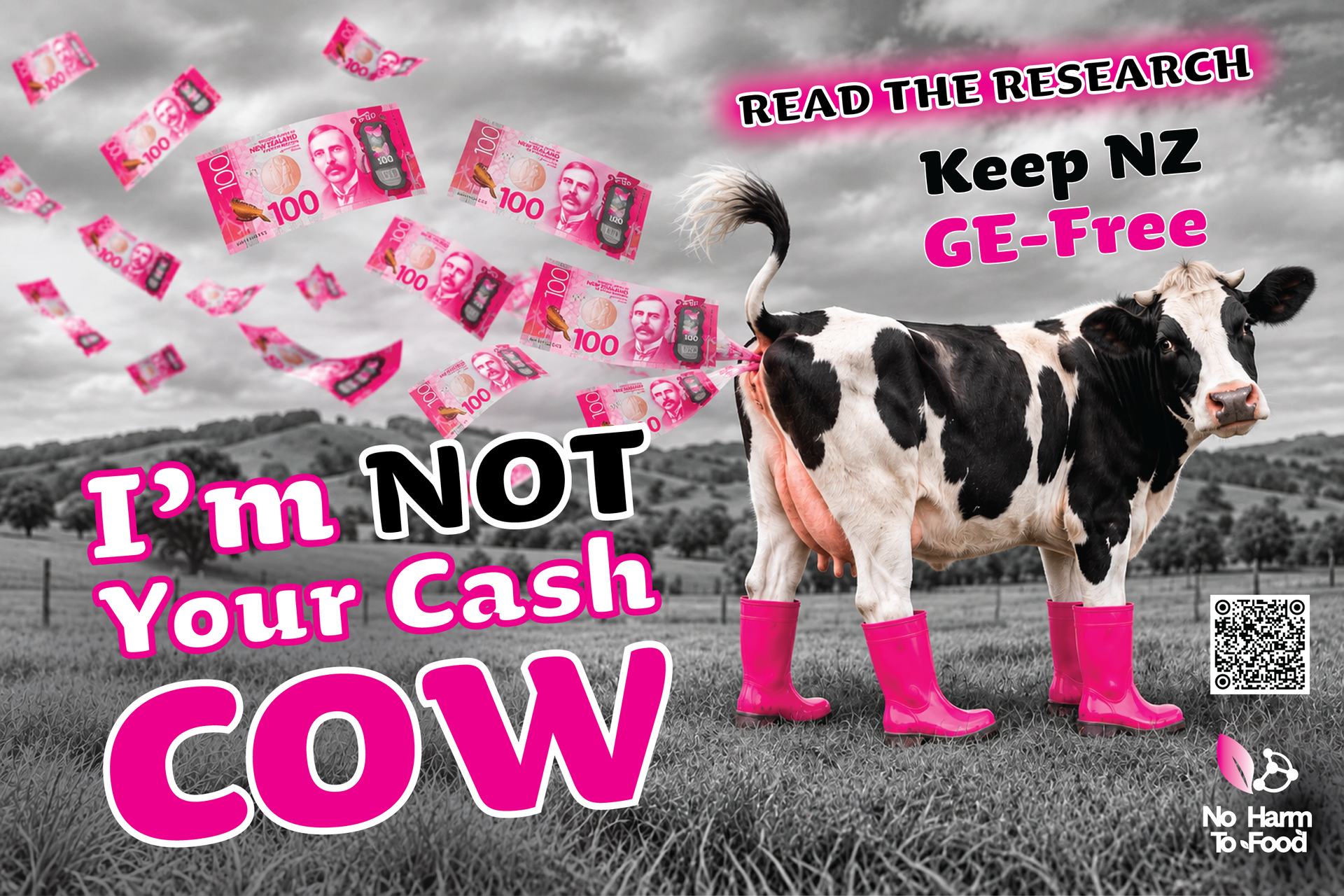
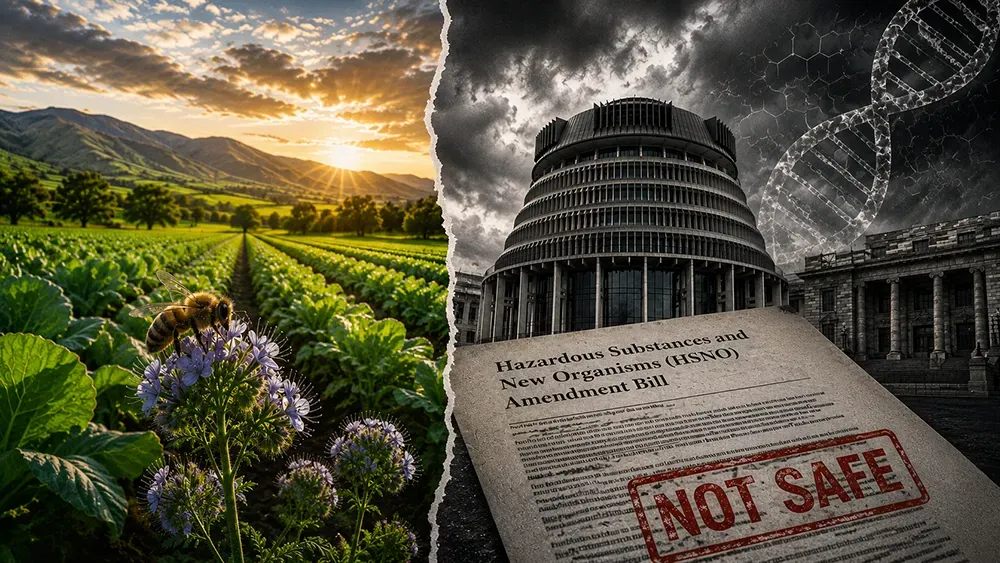
Changing our GE-free status is not great for our economy. (Let's ditch the Gene Technology bill for health reasons alone - but if you mainly care about the financial implications, then read on).
Likewise, increasing glyphosate (also known as Roundup) levels in food is not beneficial for the economy (and disastrous for our health).
Economic and Sectoral Risks
There are economic risks: The Sustainable Business Council's members collectively represent NZ$169 billion in annual turnover, reflecting the significant economic scale of businesses committed to sustainability in NZ.
These Bills Could Threaten Key Sectors:
• Sustainable construction: NZ$5 billion/year, projected NZ$142 billion by 2050, dependent on healthy biodiversity and uncontaminated natural resources.
• Responsible investment: NZ$153.5 billion in ESG-aligned funds, with NZ$4.74 billion in impact investments. Many exclude high chemical/GMO exposure; these changes could trigger divestment.
• Sustainable tourism: Tourism contributes around NZ$40 billion annually to New Zealand's economy. The sustainable and eco-tourism sectors are growing rapidly. The New Zealand sustainable tourism market is projected to grow from USD 12.7 million in 2025 to USD 57.7 million by 2035, representing a Compound Annual Growth Rate (CAGR) of 16.3%.
A 2024 survey shows that 75% of New Zealanders want to avoid investing in companies involved in genetic engineering (GMOs).
These sectors depend heavily on New Zealand's clean environment, biodiversity, and food integrity to attract discerning international visitors. Pristine landscapes and natural food systems, prized especially in markets sensitive to GMOs such as the EU and Japan, are key assets for sustaining this growth.
Glyphosate Proposal - Escalating Health Risks
The proposal to increase glyphosate residue limits by up to 100 times in certain crops is concerning, given growing evidence of its health risks. International research suggests glyphosate:
• Can accumulate in breast milk and body tissues
• Disrupts gut health, hormone balance, and DNA integrity
• Could impair cognition and behaviour in adolescents
• Increases the risk of non-Hodgkin lymphoma